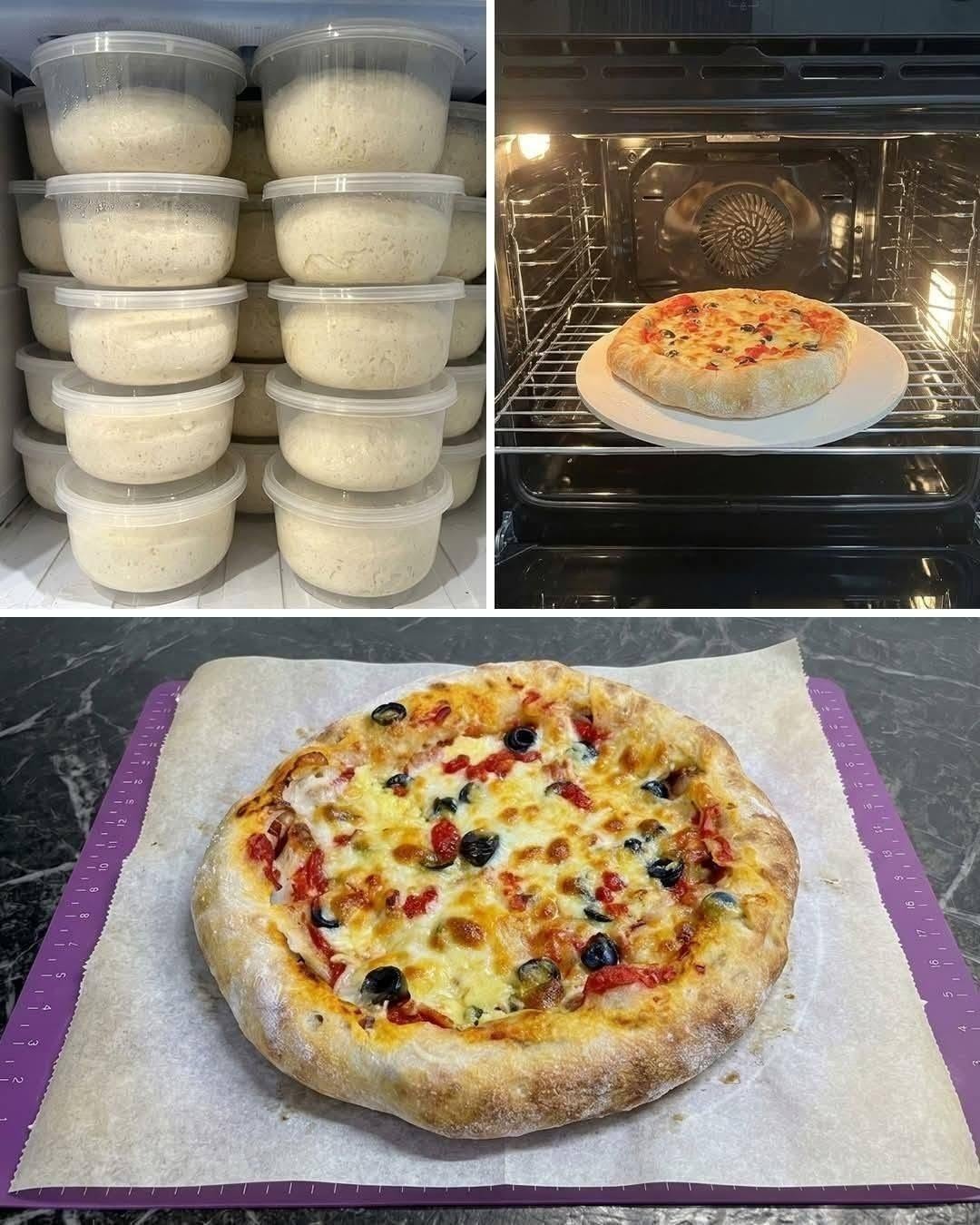
Looking for a delicious way to use up leftover sourdough starter? This Sourdough Discard Pizza Crust is an easy homemade pizza dough that turns your extra discard into a golden, crispy, and chewy crust.
The dough has a gentle sourdough tang, crisp edges, and a soft, chewy center that makes the perfect base for almost any topping. Best of all, you don’t need special baking skills or complicated techniques. Just mix the ingredients, knead the dough, let it rise, shape it, add your favorite toppings, and bake.
You can make this dough the same day when you’re craving pizza, or prepare it ahead and let it rest in the refrigerator overnight for a deeper sourdough flavor and improved texture.
Why You’ll Love This Recipe
- Great for sourdough discard: A delicious way to use leftover starter instead of throwing it away.
- Easy to make: The dough comes together with simple pantry ingredients.
- Crispy and chewy: A hot baking surface gives the crust beautifully crisp edges while keeping the center soft.
- Flexible: Make it thin and crispy or slightly thicker and chewier.
- Make-ahead friendly: The dough can be refrigerated for up to 2 days or frozen for longer storage.
- Perfect for any toppings: Use classic cheese, vegetables, chicken, pepperoni, or whatever you have on hand.
Ingredients
For the Pizza Dough
- 1 cup (240 g) sourdough discard
- 1½ cups (190 g) all-purpose flour
- ¾ cup warm water
- 1 tablespoon olive oil
- 1 teaspoon salt
- 1 teaspoon sugar
- 1 teaspoon instant yeast, optional
- Extra flour or cornmeal, for shaping
For the Toppings
Use your favorite pizza toppings. Some delicious options include:
- Pizza sauce
- Mozzarella cheese
- Cheddar cheese
- Pepperoni
- Cooked chicken
- Mushrooms
- Bell peppers
- Red onion
- Olives
- Fresh basil
- Dried oregano
- Red pepper flakes
How to Make Sourdough Discard Pizza Crust
1. Mix the Dough
Add the sourdough discard, warm water, and olive oil to a large mixing bowl. Stir until the ingredients are well combined.
Add the sugar, salt, and instant yeast, if using.
Gradually add the flour while stirring. Continue mixing until a rough, soft dough forms.
The dough should feel soft and slightly sticky, but it should not be extremely wet or impossible to handle. If it feels too wet, add flour one tablespoon at a time. If it feels unusually dry, add a small splash of water.
Tip: Avoid adding a lot of extra flour. A slightly soft dough will produce a lighter, more tender pizza crust.
2. Knead the Dough
Transfer the dough to a lightly floured work surface.
Knead for approximately 8–10 minutes, working the dough until it becomes smoother, softer, and more elastic.
You can also use a stand mixer fitted with a dough hook. Mix and knead until the dough pulls together and feels soft and elastic.
Don’t worry if the dough feels slightly sticky at first. Resist the temptation to keep adding flour. Lightly flour your hands or work surface instead.
3. Let the Dough Rise
Lightly oil a clean bowl and place the dough inside. Turn it once so the surface is lightly coated with oil.
Cover the bowl with plastic wrap, a lid, or a clean kitchen towel.
Place the dough somewhere warm and allow it to rise for approximately 1–2 hours, or until it looks noticeably puffy and has increased in size.
If you’re using instant yeast, the dough should rise more quickly.
For More Sourdough Flavor
For a stronger sourdough flavor, place the covered dough in the refrigerator and let it rest overnight.
When you’re ready to make the pizza, remove the dough from the refrigerator and let it sit at room temperature for approximately 30–60 minutes before shaping.
If you skip the instant yeast, keep in mind that sourdough discard alone may not provide enough leavening power, especially if the discard is not very active. The dough may therefore need considerably more time to ferment and rise.
4. Preheat the Oven
Place a pizza stone or baking steel in the oven if you have one.
Preheat the oven to 475°F (245°C) and allow the baking surface to heat for at least 30 minutes.
If you don’t have a pizza stone or baking steel, use a heavy baking sheet. Place the baking sheet in the oven while it preheats so it becomes very hot.
A properly heated baking surface helps the bottom of the pizza cook quickly, giving you a crisp, golden crust.
5. Shape the Dough
Turn the risen dough onto a lightly floured work surface.
Gently press it down and shape it into a ball. If the dough keeps shrinking back while you’re stretching it, let it rest for 5–10 minutes before continuing.
Using your hands, gently stretch the dough into a round or oval shape.
Keep the center relatively thin while leaving a slightly thicker border around the edges for a classic pizza crust.
For a thin and crispy pizza, stretch the dough more thinly.
For a soft and chewy crust, leave the dough slightly thicker.
Transfer the shaped dough to a piece of parchment paper or a lightly floured pizza peel.
6. Add the Toppings
Lightly brush the surface of the dough with olive oil, especially around the edges.
Spread a thin layer of pizza sauce over the center, leaving a small border around the outside.
Sprinkle with mozzarella cheese and add your desired toppings.
Try not to overload the pizza. Too much sauce, cheese, vegetables, or meat can make the center heavy and prevent the crust from becoming properly crisp.
Simple Classic Pizza
For an easy and delicious pizza, use:
- Pizza sauce
- Mozzarella
- Dried oregano
- Fresh basil
- A drizzle of olive oil
7. Bake the Pizza
Carefully transfer the topped pizza onto the hot pizza stone, baking steel, or preheated baking sheet.
Bake at 475°F (245°C) for approximately 12–15 minutes.
The exact baking time will depend on the thickness of your crust and how hot your oven gets.
The pizza is ready when:
- The cheese is melted and bubbling.
- The edges are golden brown.
- The bottom is crisp and lightly browned.
- The crust looks fully cooked through.
For extra browning, place the pizza under the broiler for the final 1–2 minutes.
Watch it carefully during broiling because the cheese and crust can brown very quickly.
8. Cool and Slice
Remove the pizza from the oven and let it rest for 2–3 minutes.
Finish with fresh basil, oregano, red pepper flakes, or a small drizzle of olive oil if desired.
Slice and serve while warm.
Tips for the Best Sourdough Discard Pizza
Use Fresh Discard When Possible
Older sourdough discard can still be used, but fresh discard often provides a pleasant aroma and flavor.
Remember that discard is not necessarily strong enough to make a dough rise on its own, which is why this recipe includes optional instant yeast for a more predictable rise.
Don’t Add Too Much Flour
The dough should remain soft and slightly tacky.
Adding too much flour can make the finished crust dense, dry, and tough instead of light and chewy.
Give the Dough Enough Time
If you’re not in a hurry, an overnight refrigerator rest can give the dough a deeper sourdough flavor and a more developed texture.
Preheat the Baking Surface
A hot pizza stone, steel, or heavy baking sheet is one of the easiest ways to improve homemade pizza.
The hot surface helps the bottom of the crust cook quickly, creating a crisp exterior while the inside remains soft.
Keep the Toppings Light
A moderate amount of sauce and cheese usually produces a better pizza than piling on too many toppings.
Heavy toppings can trap moisture in the center and make it difficult for the crust to become crisp.
Brush the Edges With Olive Oil
A light coating of olive oil around the outer crust helps the edges brown beautifully and adds extra flavor.
Easy Pizza Topping Ideas
Classic Cheese Pizza
Top the dough with pizza sauce, mozzarella, oregano, and fresh basil.
Chicken Pizza
Use cooked chicken, mozzarella, red onion, and sliced bell peppers.
Veggie Pizza
Try mushrooms, bell peppers, red onion, olives, spinach, and mozzarella.
Spicy Pepperoni Pizza
Add pepperoni, mozzarella, sliced jalapeños, oregano, and red pepper flakes.
Garlic Herb Pizza
Mix olive oil with garlic powder and Italian herbs. Brush it over the crust before baking, then add mozzarella or your favorite toppings.
Can You Make the Dough Ahead?
Yes! This pizza dough is excellent for making ahead.
After kneading, place the dough in a lightly oiled container and cover it tightly.
Refrigerate for up to 2 days.
When you’re ready to make pizza, remove the dough from the refrigerator and let it sit at room temperature for approximately 30–60 minutes. Shape, top, and bake as directed.
Can You Freeze Pizza Dough?
Yes. Wrap the dough tightly in plastic wrap or place it in a freezer-safe container and freeze for up to 2 months.
When you’re ready to use it, thaw the dough in the refrigerator overnight. Allow it to come closer to room temperature before shaping.
How to Store Leftover Pizza
Allow leftover pizza to cool completely.
Place the slices in an airtight container and refrigerate for up to 3 days.
For the best texture, reheat pizza in:
- An oven
- An air fryer
- A skillet
These methods help bring back some of the crispness of the crust.
Microwaving is convenient, but avoid heating the pizza for too long because the crust can become soft and chewy.
Frequently Asked Questions
Can I make this pizza crust without instant yeast?
Yes, but the results can be less predictable. Sourdough discard is often not active enough to provide substantial lift on its own. Without commercial yeast, the dough may require a much longer fermentation period and an active sourdough starter is generally preferable.
Why is my pizza crust not crispy?
A few things can cause this. The oven or baking surface may not be hot enough, the crust may be too thick, or the pizza may have too many toppings. Preheating the baking surface thoroughly and keeping the toppings relatively light can make a big difference.
Can I use whole wheat flour?
Yes. You can replace some of the all-purpose flour with whole wheat flour, although the crust may become slightly denser and more hearty.
Can I make two smaller pizzas?
Absolutely. Divide the dough into two portions after the first rise, shape each portion into a ball, and let them rest briefly before stretching.
Recipe Summary
Prep Time: 15 minutes
Rise Time: 1–2 hours
Bake Time: 12–15 minutes
Total Time: About 2½ hours
Yield: 1 large pizza or 2 smaller pizzas
Oven Temperature: 475°F (245°C)
Nutrition
Nutrition will vary depending on the exact ingredients and toppings used. For the crust alone, calories, carbohydrates, protein, fat, and sodium will depend on the specific flour, sourdough discard, olive oil, and serving size.
Final Thoughts
This Sourdough Discard Pizza Crust is a simple and delicious way to put leftover starter to good use. The dough requires basic ingredients, is easy to shape, and can be prepared the same day or refrigerated overnight for additional flavor.
With its golden crispy edges, soft chewy center, and mild sourdough tang, this homemade crust is a versatile base for everything from classic cheese pizza to loaded vegetable, chicken, or spicy pepperoni pizzas.
Once you try it, you’ll have an easy homemade pizza dough recipe ready for your next pizza night—and a delicious reason not to throw away that sourdough discard.

